Lahore Most Polluted City: 7 Shocking Truths Behind the Toxic Air Crisis
Lahore is the world's most polluted city with an AQI of 194. Health risks, causes, illegal polluters and practical protection steps for residents.
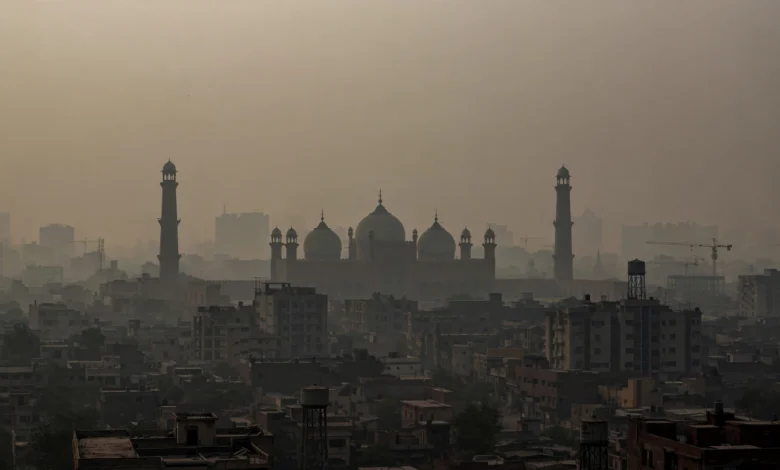
Lahore most polluted city is a headline residents have read too many times. The provincial capital has again been ranked first in the world for air pollution, with an Air Quality Index (AQI) of 194. Some neighborhoods were worse: Allama Iqbal Town recorded 210 and Barki Road 207. Global monitoring agencies put pollution at about 19 times the level the World Health Organization considers safe.
Behind those numbers are people. A child with asthma who now stays indoors. A grandfather with a heart condition who can’t take his morning walk. A rickshaw driver who works ten hours in the haze because he has no choice. Health experts are asking residents to limit time outdoors, keep doors and windows shut during severe pollution, and wear protective masks outside. Children, older adults, and people with respiratory conditions face the greatest risk.
Bad air is rarely an accident. Much of it comes from activities that are already illegal in Punjab, such as burning crop residue, running smoky vehicles, and operating polluting brick kilns and factories. This article looks at what the numbers mean, what drives them, what enforcement records show, and what you can realistically do to protect your family. It is written to inform, not to frighten.
Lahore Most Polluted City: What the Latest Numbers Say
Reading the AQI Figures
The Air Quality Index converts pollutant readings into a single number so people can judge risk quickly. Under the US scale used by IQAir and most global trackers, the categories run like this:
- 0 to 50: Good
- 51 to 100: Moderate
- 101 to 150: Unhealthy for sensitive groups
- 151 to 200: Unhealthy
- 201 to 300: Very unhealthy
- 301 and above: Hazardous
Lahore’s citywide reading of 194 sits at the top of the “unhealthy” band, close to “very unhealthy.” That means everyone, not just sensitive people, can begin to feel effects. The readings of 210 in Allama Iqbal Town and 207 on Barki Road cross into the “very unhealthy” range, where health warnings apply to the whole population. The US EPA’s AirNow AQI basics page explains each category if you want the official definitions.
What “19 Times Above WHO Guidelines” Means
The WHO recommends a very low annual limit for PM2.5, the fine particles smaller than 2.5 micrometers. Reports say Lahore’s levels are around 19 times that guideline. These particles are about 30 times thinner than a human hair, so they slip past the nose and throat, reach deep into the lungs, and can enter the bloodstream. The WHO’s ambient air quality and health fact sheet lays out the guideline values and the health evidence behind them.
Why Readings Differ Between Monitors
You may see different numbers for the same day. That is normal. IQAir aggregates data from many sensors, and neighborhood readings can swing widely depending on traffic, nearby burning, and wind. Official Punjab Environmental Protection Agency (EPA) data may use different stations and averaging periods. When numbers disagree, look at the trend and the category rather than fixating on one figure. If several sources say “unhealthy” or worse, act as if it is.
The ranking is also not always a one-off. On other days the city’s readings have been far higher. Lahore’s average has passed 400 during severe episodes, so a day at 194 is bad but not the worst the city has seen. That is the point. Lahore air quality is a recurring problem, not a rare event.
Why Lahore Keeps Topping the World’s Pollution Rankings
No single cause explains the Lahore smog problem. It comes from several sources stacking up, especially between October and February.

Vehicles and Transport
Lahore has millions of cars, motorcycles, rickshaws, and trucks, many with poorly maintained engines and low-quality fuel. Diesel exhaust adds fine particles and nitrogen oxides. Traffic congestion makes it worse, since idling engines pollute more per kilometer. According to reports citing environmental experts and an earlier Food and Agriculture Organization study, the long-running smog problem comes mostly from transport and industry, not only from crop burning. That matters, because blaming one source lets others off the hook.
Industry and Brick Kilns
Factories and brick kilns around Lahore burn coal, wood, and sometimes waste materials for fuel. Older kilns with outdated designs release far more smoke than newer zig-zag kilns. Steel, textile, and small manufacturing units may operate without proper filters or emissions monitoring.
Crop Residue Burning
After rice harvest, some farmers in Punjab burn leftover stubble to clear fields quickly before planting wheat. Smoke from these fires drifts toward cities. It is cheap, fast, and illegal in many districts, and it adds a heavy load of particles during the worst months.
Weather and Geography
Winter brings cool, still air and temperature inversion, where a layer of warm air sits above cooler air near the ground and traps pollution. Reports on recent episodes note that stagnant weather and temperature inversion keep pollutants close to the ground. Lahore also sits in the Indo-Gangetic Plain, a region where smoke and dust from many sources collect. Weather explains why the smog gets worse in winter. It does not explain why the emissions exist in the first place.
Illegal Activities Behind the Smog: What Enforcement Records Show
Many of the biggest contributors to air pollution in Lahore are already violations under provincial anti-smog rules. Police records show how widespread they are.
The Scale of Violations
Punjab Police reported that, over the year up to early November 2025, 2,275 cases were registered and 2,027 violators arrested in the smog crackdown across Lahore and other districts. The same record listed 1,166 cases of crop residue burning, 52,872 smoke-emitting vehicle violations, 1,725 industrial violations, and 3,365 brick kiln violations. A later handout put the year’s totals at 2,548 cases and 2,278 arrests, with fines above 192.3 million rupees imposed on 91,518 individuals. You can read the original updates on the Punjab Police website.
Numbers like these show two things. Enforcement is happening. And the violations are so common that they add up to a citywide health problem.
Smoke-Emitting Vehicles
By a large margin, this is the most frequently recorded violation. Tens of thousands of drivers have been penalized in a single year. Typical illegal or unsafe practices include:
- Running vehicles with badly tuned engines or removed emission parts
- Overloaded diesel trucks that pour out black smoke
- Using poor-quality or adulterated fuel
- Skipping mandatory fitness and emissions checks
Brick Kilns
Authorities have repeatedly targeted kilns. In one earlier drive, the provincial government sealed around 356 brick kilns and imposed heavy fines, while officials said kilns were shifting to the zig-zag design after a ban on older technology. Kilns that ignore seasonal closures or use banned designs remain a repeat offender category.
Crop Residue Burning
Police recorded thousands of stubble-burning incidents across recent seasons. The practice is illegal, but it persists partly because farmers lack affordable alternatives, such as machines that mix stubble into the soil. Enforcement without support can push the problem underground rather than solve it.
Industrial Violations
Factories that run without emission controls, operate during restricted periods, or burn prohibited fuels appear in the records every year. Some also burn rubber, plastic, or industrial waste, which releases toxic compounds on top of ordinary particles. Regular inspection and public reporting of results would help residents see which sectors are improving and which are not.
Fines and Arrests Are Not Enough
Enforcement has limits. Reporting on the latest crackdown quoted environmentalists who welcomed the drive but said punishment alone cannot fix the crisis, and who urged investment in cleaner fuels, public transport, and alternatives to crop burning. That view is sensible. A fine on a driver does not help if the fuel supply is dirty. A ban on stubble burning does not help if farmers have no other option.
Authorities have also tried technical measures. The provincial government promoted its first anti-smog gun operation in Kahna and reported a 70 percent drop in local AQI there. Local, short-lived improvements like this are worth studying, but independent experts generally treat them as supplements to cutting emissions at the source, not replacements.
Health Effects of Lahore’s Polluted Air
Breathing air at the levels recorded in Lahore’s worst pollution days is not a minor discomfort. Fine particles cause both short-term and long-term harm.
Short-Term Effects
- Burning eyes, sore throat, and coughing
- Headaches and fatigue
- Shortness of breath, especially during exercise
- Asthma attacks and worsening of existing lung disease
- Higher risk of respiratory infections
Long-Term Effects
With repeated exposure over years, the risks include chronic bronchitis, reduced lung function, heart disease, stroke, and lung cancer. The WHO links outdoor air pollution to millions of premature deaths worldwide each year.
Who Is Most Vulnerable
Children. Kids breathe faster than adults and spend more time outdoors. Their lungs are still developing, so exposure can affect growth and raise the risk of asthma.
Older adults. Aging hearts and lungs handle stress less well. Pollution can trigger heart rhythm problems, breathing trouble, and hospital visits.
People with respiratory or heart conditions. Asthma, COPD, and cardiovascular disease make symptoms flare up faster and more severely.
Pregnant women. Studies have linked heavy air pollution to low birth weight and premature birth.
Outdoor workers. Traffic police, street vendors, construction workers, and delivery riders are exposed for hours at a time, often without masks or breaks.
If you have chest pain, severe breathing difficulty, or symptoms that keep getting worse, see a doctor. Air pollution advice is general guidance, not a substitute for medical care.
How to Protect Yourself When Lahore Air Quality Is Unhealthy
Individual action can’t clean the city’s air, but it can reduce your exposure. This follows the guidance health experts have given: limit outdoor time, keep windows closed during severe pollution, and wear masks outside. IQAir’s own alerts for Pakistan have advised the same steps, along with using air purifiers indoors.
A Practical Daily Routine
- Check the AQI before you go out. Use a live tracker such as IQAir’s Lahore page and look at your neighborhood, not just the citywide number.
- Move exercise indoors. When the AQI is above 150, skip jogging or cycling outside. Heavy breathing pulls in more particles.
- Time your errands. Air is often worst in early morning and at night in winter. Midday can be slightly better when the air warms and mixes.
- Keep windows shut on bad days. Open them briefly when readings improve.
- Wear the right mask whenever you must be outside for long.
- Shower and change clothes after long outdoor exposure to remove particles.
- Drink water and eat regularly. Good general health helps your body cope.
Masks That Actually Work
Not all masks filter fine particles. Cloth masks and loose surgical masks block little PM2.5. A well-fitted N95, KN95, or FFP2 respirator does much better. Fit matters as much as rating. If air leaks around the edges, the filter can’t do its job. Beards, loose straps, and gaps near the nose all reduce protection. Children need masks made for smaller faces, and very young children should not wear masks unsupervised.
Improving Indoor Air
- Use a HEPA air purifier in the room where you sleep or spend the most time.
- Seal gaps around doors and windows with weatherstripping.
- Avoid burning incense, mosquito coils, and wood or charcoal indoors during smog.
- Wet-mop instead of dry sweeping to avoid stirring up dust.
- Keep a small first-aid supply for eye irrigation and asthma medication for family members who need it.
Extra Care for Vulnerable Family Members
Talk to a doctor about an action plan for asthma or heart conditions before smog season starts. Keep prescribed inhalers and medicines stocked. Older relatives should have someone check on them during severe episodes. Schools and workplaces can also help by moving physical activity indoors on hazardous days.
Ethical and Realistic Solutions
Talking about pollution honestly means saying that responsibility is shared, and that quick fixes are rare.
What Authorities Can Do
- Enforce evenly. Fines should apply to large factories and wealthy vehicle owners as consistently as to small operators.
- Publish data openly. Public inspection results, kiln compliance lists, and monitoring station readings build trust.
- Improve fuel and vehicle standards. Cleaner fuel and mandatory emissions testing reduce the biggest source at its root.
- Expand public transport. Fewer private vehicles on the road means less exhaust.
- Help farmers change. Subsidized machinery and clear incentives make it realistic to stop burning stubble.
- Plant and protect green cover. Trees will not solve smog alone, but they help with dust and heat.
What Businesses Can Do
Factories can install filters, use cleaner fuels, and monitor their own emissions. Kiln owners can convert to approved designs. Transport companies can maintain fleets properly. These steps cost money, and it’s fair to acknowledge that. But the health costs of doing nothing are far higher and are paid by everyone.
What Residents Can Do
You can report visible violations such as open burning or heavily smoking vehicles through official complaint channels. Keep your own vehicle serviced. Avoid burning garbage or leaves. Carpool or use public transport when you can. None of these steps are dramatic, but millions of small choices matter in a city this size.
Responsible Information and Avoiding Scams
Smog seasons also bring misinformation and opportunists. Be careful with:
- Miracle products. Claims that a drink, herb, or gadget “detoxes” your lungs are not backed by good evidence.
- Fake or unrated masks and purifiers. Check certifications and independent reviews before buying, and beware of sudden price hikes.
- Panic posts and forwarded messages. Check numbers against reliable sources before sharing them.
The goal is to be alert without being alarmist.
Frequently Asked Questions
Is Lahore really the most polluted city in the world?
On many days, yes, according to live rankings such as IQAir. The rankings change daily, and other cities like Delhi, Dhaka, and Kolkata sometimes take the top spot. But Lahore has appeared at or near the top repeatedly across recent winters, so the label is not a fluke.
What AQI level is dangerous?
Anything above 150 is unhealthy for everyone. Above 200 is very unhealthy, and above 300 is hazardous. Sensitive people can feel effects at lower levels, from about 100.
Does staying indoors really help?
It helps, especially with windows closed and an air purifier running. Indoor air is not automatically clean, since particles seep in, but levels are usually lower than outside.
When does Lahore’s smog season peak?
Typically from October through January, when cooler weather traps pollution, crop burning peaks, and traffic and heating add more emissions.
Can the smog problem actually be solved?
Cities such as Beijing cut PM2.5 significantly over a decade by combining strict rules on industry and vehicles, cleaner energy, and long-term planning. It took sustained effort and money. Lahore’s problem is solvable in principle, but it will not disappear with a single crackdown.
Conclusion
Lahore most polluted city is more than a ranking: an AQI of 194 citywide, with 210 in Allama Iqbal Town and 207 on Barki Road and pollution around 19 times WHO guidelines, means real risk for everyone and serious danger for children, older adults, and people with breathing or heart conditions. The causes are well known, including vehicle exhaust, industrial and brick kiln emissions, and crop residue burning, made worse by winter weather, and Punjab Police records show tens of thousands of violations every year, which proves that much of the pollution comes from breaking rules already on the books. Enforcement matters, but experts are right that fines alone will not fix it without cleaner fuel, better transport, and practical alternatives for farmers and small businesses. In the meantime, residents can protect themselves by checking the AQI daily, limiting outdoor time, keeping windows closed on bad days, using a properly fitted N95 or equivalent mask, running a HEPA purifier, and staying skeptical of miracle products, while also pushing for transparent data and consistent enforcement so that the next ranking looks different from this one.