Punjab Government’s Digital Initiatives: How PITB Is Building Smarter, Faster Governance
Punjab digital governance initiatives are reshaping public service delivery through paperless offices, digital HR, e-health, and PITB-led G2G reforms.
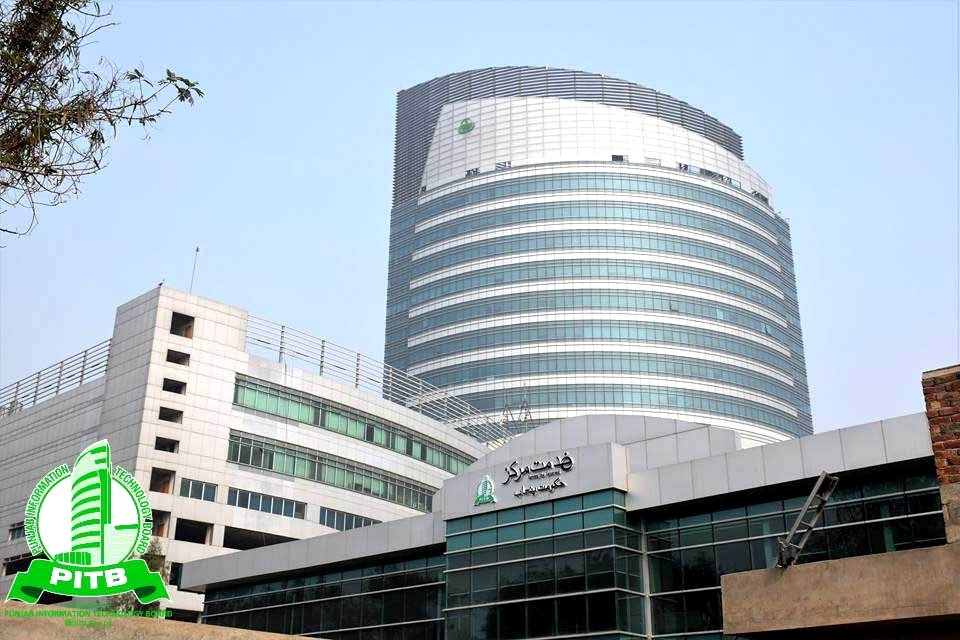
LAHORE — Punjab is rolling out one of the most extensive digital governance overhauls in the province’s history, with officials saying the initiative is already changing how government offices, hospitals, and human resource systems operate across the region.
The reforms, driven by the Punjab Information Technology Board (PITB) as part of the provincial government’s broader digitization agenda, are aimed at replacing paper-based bureaucracy with faster, more transparent digital systems. The effort spans several sectors, including internal office administration, healthcare, human resources, and inter-departmental data sharing.
Paperless Offices Now Operational in Several Departments
According to provincial officials, a growing number of government departments have transitioned to e-Office platforms that eliminate the need for physical file movement. Under the new system, official correspondence and approvals are tracked digitally from creation to sign-off, with timestamps recording each stage of the process.
Officials say the change is intended to reduce the delays and lost paperwork that have long plagued provincial administration. Because every file now carries a visible digital trail, departments can identify bottlenecks and hold individual officers accountable for delays in a way that was not possible under the manual system.
The paperless rollout is not yet uniform across all departments, with some offices further along than others. However, provincial IT officials describe it as a priority area, citing reduced administrative costs and faster decision-making as early outcomes.
Digital HR System Targets Payroll Fraud
A parallel initiative focuses on Punjab’s public sector workforce, which numbers in the hundreds of thousands. The province has implemented a centralized Human Resource Management Information System (HRMIS) designed to consolidate employee records that were previously scattered across individual departments.
The system uses biometric verification to confirm that employees listed on government payrolls are actively working, a measure officials say is intended to curb the long-standing problem of “ghost employees” drawing salaries without performing duties. It also centralizes service records, attendance, leave tracking, and pension processing, which previously required employees to compile years of paperwork manually.
Provincial finance officials have pointed to the HRMIS rollout as a step toward more accurate budget planning, noting that real-time, verified payroll data allows for tighter oversight of public spending than the department-level estimates used previously.
Hospitals Move Toward Electronic Records
Healthcare has emerged as one of the more visible areas of the digitization push. Public hospitals across Punjab are being brought onto Electronic Medical Record (EMR) systems and Hospital Management Information Systems (HMIS), replacing the paper-based patient files and handwritten prescriptions that were standard practice in much of the public health sector.


Health officials say the new systems allow doctors to access a patient’s medical history instantly, reducing repeat testing and prescription errors linked to illegible handwriting. Hospital administrators are also using the systems to track bed availability, staffing levels, and medicine inventory in real time, with dashboards flagging potential drug shortages before they become critical.
The Punjab health department has coordinated the rollout with the Punjab Healthcare Commission, though officials acknowledge that full digitization across all public hospitals, particularly in rural districts, remains a work in progress.
Departments Begin Sharing Verified Data Directly
Perhaps the least visible but structurally significant piece of the reform involves what officials describe as Government-to-Government (G2G) integration. Historically, Punjab’s provincial departments operated largely in isolation, requiring citizens to repeatedly submit and re-verify the same documents across different offices for unrelated services.
Under the new G2G framework, PITB has built data-sharing infrastructure that allows departments to verify information such as domicile status, land ownership, and identity records directly from source systems, including integration with national databases. Officials say this reduces duplicate document requests and shortens processing times for services that previously required a citizen to visit multiple offices in sequence.
Provincial IT officials describe the G2G work as foundational to the broader digitization strategy, arguing that citizen-facing improvements are only sustainable if the government departments behind them are actually connected to one another.
Officials Cite Broader Governance Goals
Speaking to the scope of the initiative, provincial officials have framed the digitization drive as central to the government’s stated goals of transparency, efficiency, and accountability in public administration. The reforms are described as part of a wider effort to reduce the discretion and manual handling that have historically created openings for delays and corruption in provincial offices.
Independent assessments of similar digitization efforts in developing regions, including analysis published by the World Bank, have noted that successful e-governance programs typically depend on consistent implementation across departments and adequate digital infrastructure in underserved areas, both of which remain ongoing challenges in Punjab’s case.
Challenges Remain Despite Progress
Officials and independent observers alike acknowledge that the digitization push faces several practical obstacles. Adoption of new systems varies by department, with some offices further along in the transition than others. Digital literacy gaps among some government staff have slowed implementation in certain offices, and internet connectivity remains inconsistent in more remote districts compared to urban centers such as Lahore.
Data security has also been raised as a concern, since centralizing sensitive citizen and employee records increases the potential impact of any future data breach. Provincial officials say security protocols are being developed alongside the broader rollout, though specific technical safeguards have not been publicly detailed in full.
What Comes Next
Provincial officials say the digitization program will continue expanding over the coming months, with a focus on extending paperless office systems, HRMIS coverage, and hospital digitization into district-level administration beyond Punjab’s larger urban centers. Further integration between departmental data systems is also expected as part of the ongoing G2G initiative.
While officials describe the reforms as a long-term undertaking rather than a finished project, they say the shift toward digital, data-driven administration marks a significant change in how one of Pakistan’s largest provincial governments manages its day-to-day operations and delivers services to residents.