Punjab e-Commerce Hub: CM Maryam Nawaz’s Flagship Initiative by PITB
The e-Commerce Hub by PITB, launched under CM Maryam Nawaz, aims to empower small businesses and boost digital trade across Punjab.
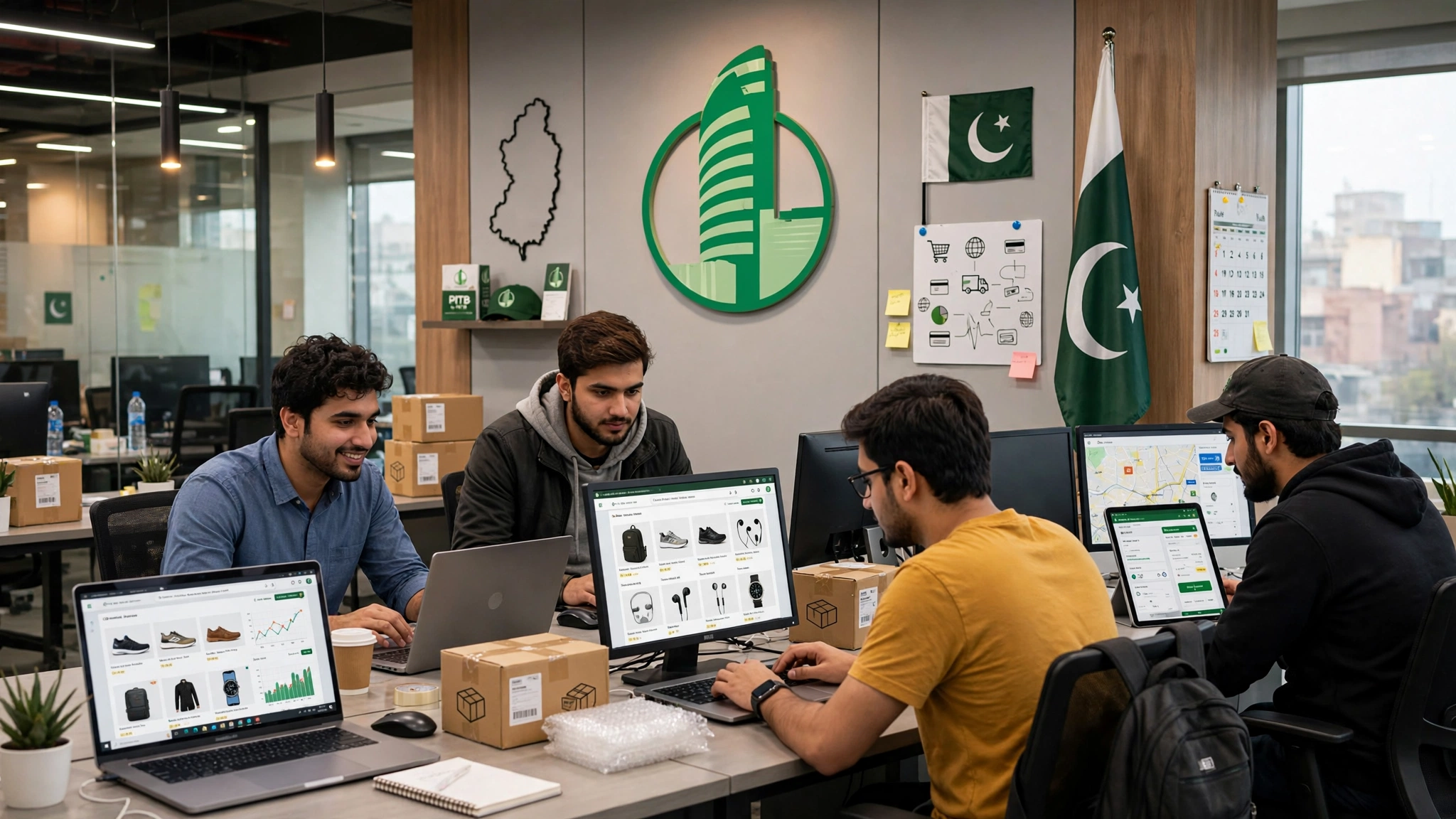
The e-Commerce Hub by PITB has quickly become one of the most talked-about digital initiatives in Punjab, and for good reason. Spearheaded under the leadership of CM Punjab Maryam Nawaz, this project reflects a broader push to modernize how small businesses, traders, and everyday entrepreneurs connect with online markets. For years, Punjab’s local sellers have watched the e-commerce boom unfold mostly from the sidelines, held back by limited digital literacy, weak logistics support, and a lack of centralized platforms built specifically for their needs.
That’s the gap the Punjab Information Technology Board (PITB) is trying to close. The e-Commerce Hub isn’t just another government tech project sitting on a shelf. It’s designed as a working ecosystem: training, digital onboarding, payment integration, and marketplace access rolled into one initiative. Whether you run a home-based tailoring business in Multan or a small electronics shop in Lahore, the idea is to give you a real shot at competing online without needing a computer science degree to figure out how.
In this article, we’ll break down what the e-Commerce Hub actually does, why Maryam Nawaz’s government is prioritizing it, who benefits, and what challenges still stand in the way of it reaching its full potential.
What Is the e-Commerce Hub by PITB?
The e-Commerce Hub by PITB is a government-backed digital platform and support system designed to help Punjab-based small and medium enterprises (SMEs) move their businesses online. Rather than leaving business owners to figure out digital selling on their own, the hub combines several services under one roof:
- Digital onboarding for small businesses and home-based sellers
- Training programs on running an online store, digital marketing basics, and order fulfillment
- Support for integrating local businesses with established online marketplaces
- Guidance on secure digital payments and basic logistics coordination
- A resource center for entrepreneurs who are new to e-commerce
This structure matters because it addresses the actual barriers small sellers face, not just the theoretical ones. Plenty of digital literacy programs exist on paper, but few actually walk a shopkeeper through listing their first product, pricing it competitively, and getting paid safely.
Why Maryam Nawaz Made This a Flagship Initiative
CM Punjab Maryam Nawaz has repeatedly framed digital transformation as a core part of her administration’s economic strategy, and the e-Commerce Hub fits squarely into that vision. There are a few clear reasons this initiative has been positioned as a flagship project rather than a minor department program.
Economic Inclusion for Small Businesses
Punjab’s economy runs heavily on small and micro businesses, many of which operate informally. Bringing even a fraction of these businesses into the formal digital economy has real potential to boost tax revenue, formal employment, and business resilience. The e-Commerce Hub is one of the more direct attempts to bridge that informal-to-formal gap using technology rather than regulation alone.
Youth Employment and Digital Skills
A large share of Punjab’s population is under 30, and many young people are already comfortable with smartphones and social media but lack structured business or e-commerce training. By offering practical skills through PITB, the government is betting that digital commerce can become a genuine employment pathway, not just a side hustle.
Positioning Punjab as a Tech-Forward Province
Provincial governments across Pakistan have been competing to brand themselves as digitally progressive, largely because it affects investment perception. The Punjab Information Technology Board has run several initiatives in this space before, but the e-Commerce Hub stands out because it targets everyday commerce rather than niche tech sectors like software exports.


Key Features of the e-Commerce Hub
Let’s look more closely at what actually makes up this initiative, since the details matter more than the branding.
1. Centralized Onboarding Portal
Small business owners can register through a single digital portal rather than navigating multiple disconnected government offices. This alone removes a significant amount of friction that has historically discouraged informal traders from going digital.
2. Training and Capacity Building
PITB has structured training modules covering:
- Setting up an online store or marketplace listing
- Product photography and description basics
- Digital payment acceptance and reconciliation
- Customer service and order management
- Basic digital marketing, including social media selling
3. Marketplace and Payment Integration
One of the more practical aspects of the hub is helping businesses connect with existing e-commerce platforms and digital payment providers rather than building a competing marketplace from scratch. This approach tends to be more sustainable, since it leverages infrastructure that already has consumer trust.
4. Logistics and Fulfillment Guidance
E-commerce in Pakistan has historically struggled with last-mile delivery, especially outside major cities. The hub aims to connect sellers with logistics partners and provide basic guidance on packaging, shipping timelines, and returns handling.
5. Support for Women Entrepreneurs
Given that a large number of home-based businesses in Punjab are run by women, the initiative places specific emphasis on making digital tools accessible to women entrepreneurs who may not have had formal business training or easy access to markets outside their homes.
How the e-Commerce Hub Benefits Small Businesses
The real test of any government tech initiative is whether it changes outcomes for the people it’s meant to serve. Here’s where the e-Commerce Hub by PITB could make a tangible difference:
- Lower barriers to entry: Business owners no longer need extensive technical knowledge to start selling online.
- Access to a wider customer base: A shop that once served a single neighborhood can reach buyers across the province or country.
- Formal recognition: Registering through PITB can help informal businesses build a track record that may support future access to credit or business support programs.
- Reduced dependency on middlemen: Direct online selling can cut out layers of intermediaries that typically eat into small sellers’ margins.
- Skill development that outlasts the platform: Training in digital marketing and order management is valuable even if a seller eventually moves to other platforms.
Challenges the Initiative Still Needs to Address
No government-led digital program is without friction, and it’s worth being honest about the hurdles the e-Commerce Hub will need to clear.
Digital Literacy Gaps
Even with training, some segments of the target population, particularly older business owners in rural areas, may need sustained, hands-on support rather than a one-time workshop.
Internet and Infrastructure Access
Reliable, affordable internet access is still inconsistent in parts of rural Punjab. A digital commerce initiative is only as strong as the connectivity underneath it.
Trust in Digital Payments
Cash-on-delivery remains dominant in Pakistan’s e-commerce landscape. Shifting consumer and seller habits toward digital payments will take sustained effort beyond what any single hub can achieve alone.
Long-Term Program Sustainability
Government initiatives sometimes lose momentum after an initial launch phase. For the PITB e-Commerce Hub to succeed long term, it will need consistent funding, updated training content, and active monitoring of outcomes rather than a one-time rollout.
How This Fits Into Punjab’s Broader Digital Strategy
The e-Commerce Hub doesn’t exist in isolation. It sits alongside other digital governance and economic initiatives under Maryam Nawaz’s administration, which has been vocal about using technology to improve service delivery and economic opportunity across Punjab. Similar patterns can be seen in other countries where government-supported digital marketplaces have helped formalize informal economies. For context on how digital trade infrastructure is evolving globally, resources like the World Bank’s work on digital economy development offer useful comparative insight into what tends to work and what doesn’t.
Similarly, organizations like the International Trade Centre have published extensive research on how small businesses in developing economies can benefit from structured e-commerce support programs, which mirrors much of what PITB appears to be attempting at a provincial level.
Who Should Pay Attention to This Initiative
The e-Commerce Hub is relevant to a fairly wide group of people, including:
- Small business owners currently selling only offline
- Home-based entrepreneurs, particularly women running informal businesses
- Recent graduates interested in digital commerce or online retail
- Freelancers looking to formalize a side business into a proper online store
- Local logistics and payment service providers who may find new partnership opportunities
If you fall into any of these categories, keeping an eye on PITB’s official announcements and registration windows would be a practical next step, since eligibility criteria and onboarding phases are likely to be rolled out in stages rather than all at once.
Frequently Asked Questions
What is the main goal of the e-Commerce Hub by PITB?
The main goal is to help small and medium businesses in Punjab transition to online selling by providing training, digital onboarding, and marketplace access support.
Who launched the e-Commerce Hub initiative?
The initiative operates under the Punjab Information Technology Board and has been championed as a flagship project under CM Punjab Maryam Nawaz’s administration.
Is the e-Commerce Hub only for large businesses?
No, the initiative is specifically designed with small businesses, home-based entrepreneurs, and informal traders in mind.
Does the hub help with payment processing?
Yes, part of the program focuses on connecting businesses with digital payment options and basic financial tools needed for online selling.
Conclusion
The e-Commerce Hub by PITB represents a genuine attempt to bring Punjab’s small businesses into the digital economy, backed by the political weight of CM Punjab Maryam Nawaz’s administration. By combining training, onboarding, payment support, and logistics guidance into a single initiative, it addresses several practical barriers that have historically kept local traders offline. The program still faces real challenges, from connectivity gaps to shifting consumer habits around digital payments, but the framework itself reflects a more grounded approach than many past digital literacy efforts. For Punjab’s entrepreneurs, especially those running informal or home-based businesses, this initiative could mark a meaningful first step toward sustainable online growth, provided it receives the long-term support needed to move beyond a launch-phase announcement.