How to Digitize Your Business in Pakistan: A Complete Guide (2026)
Learn how to digitize your business in Pakistan with this practical 2026 guide covering registration, payments, e-commerce, and marketing.
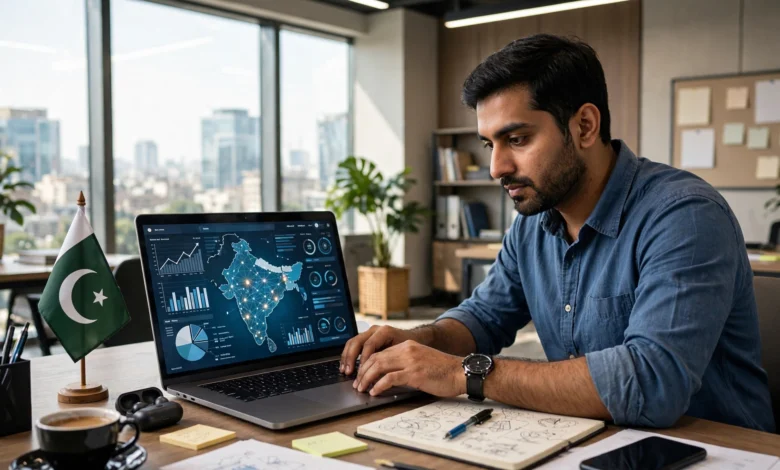
If you want to digitize your business in Pakistan, 2026 is arguably the best time to do it. The country’s digital payment infrastructure has matured fast, government registration processes have moved online, and customers now expect to find, evaluate, and buy from businesses digitally before they ever walk through a physical door. Whether you run a small retail shop in Lahore, a trading company in Karachi, or a home-based service business in Islamabad, the shift toward a digital business in Pakistan is no longer optional. It is how you stay competitive.
This guide walks you through the practical steps of business digitization in Pakistan, from setting up your digital identity and registering with SECP and FBR, to accepting payments through Raast and mobile wallets, building an online sales channel, and protecting your business from cyber risks. Rather than vague advice, you will get a clear roadmap you can actually follow, along with the tools and platforms that Pakistani entrepreneurs are using right now to grow. By the end, you will understand exactly what it takes to digitize your business and turn it into a modern, resilient operation that can compete locally and internationally.
Why Digitize Your Business in Pakistan Now
Pakistan’s digital economy has grown at a pace few expected even five years ago. Mobile banking and digital wallet registrations crossed 132 million users by early 2026, a sharp jump from the previous year, while internet banking accounts also climbed steadily. Person-to-merchant digital transactions have expanded rapidly too, with millions of merchants now onboarded onto instant payment rails.
Several forces are driving this shift:
- Government push toward a cashless economy. The State Bank of Pakistan has set targets to digitize all federal and provincial government payments, which is pushing banks, businesses, and even small vendors to adopt digital rails faster than before.
- Consumer behavior has changed permanently. Customers now search Google, compare prices, and check reviews before buying almost anything, whether it’s a restaurant meal or industrial equipment.
- Lower barriers to entry. Cloud tools, mobile point-of-sale systems, and free e-commerce platforms mean even a one-person business can now run digital operations that used to require an entire IT department.
- Access to new markets. A digitized business isn’t limited to its neighborhood. Online stores, social commerce, and digital payments let Pakistani businesses sell to customers in other cities or even overseas.
If you’re still running your business entirely on paper ledgers and cash transactions, you’re not just missing convenience, you’re losing customers to competitors who show up first when people search online.
Step 1: Build a Strong Digital Foundation
Before diving into registration or payments, every business needs a basic digital identity. This is the foundation everything else builds on.
Get a Professional Website
A website is still the single most important digital asset for any business in Pakistan. It works as your storefront, your credibility signal, and your primary tool for search engine visibility. At a minimum, your site should include:
- A clear description of your products or services
- Contact details and a physical location (if applicable)
- Customer reviews or testimonials
- A simple way to place orders or make inquiries, such as a contact form or WhatsApp link
You don’t need a large budget to start. Many Pakistani businesses now use website builders or hire local freelancers to launch a functional site within days.
Register a Domain and Business Email
A domain name matching your business name (ideally ending in .com or .com.pk) builds trust instantly. Pair it with a professional email address rather than a personal Gmail account. This single change makes your business look far more established to both customers and banks.


Claim Your Google Business Profile
For local businesses especially, an optimized Google Business Profile with accurate hours, location, photos, and genuine reviews often matters more than the website itself, since it’s what shows up first when someone searches for your services nearby.
Step 2: Register Your Business Digitally
Formal registration is the legal backbone of digitizing your business in Pakistan, and the process has become significantly more streamlined in recent years.
SECP eServices
If you’re forming a company (private limited, single member, or partnership), the Securities and Exchange Commission of Pakistan offers an online portal where you can reserve a company name, submit incorporation documents, and receive your certificate digitally, without visiting a regional office in person.
FBR Registration and NTN
Every formally operating business needs a National Tax Number (NTN) from the Federal Board of Revenue. Registration is done through FBR’s online IRIS portal. Without an NTN, your business cannot issue proper invoices, open certain business bank accounts, or bid on many contracts.
Sector-Specific Licenses
Depending on your industry, you may also need additional registrations, such as a Sales Tax Registration Number, a Chamber of Commerce membership, or sector-specific licenses (food, pharmaceuticals, import/export). Most of these now have partial or full online application options.
Step 3: Set Up Digital Payments
This is where digitizing your business starts paying off immediately, because it directly affects your cash flow and customer convenience.
Raast: Pakistan’s Instant Payment System
Raast, developed by the State Bank of Pakistan, allows instant, free person-to-person and person-to-merchant transfers using just a mobile number or CNIC as a Raast ID. Merchant adoption has grown into the millions, and QR-based Raast payments let even small shopkeepers accept digital payments without expensive card machines. For a business owner, this means:
- No need for long bank account numbers when getting paid
- Instant settlement instead of waiting days for bank transfers
- Lower transaction costs compared to traditional card processing
Mobile Wallets: JazzCash and Easypaisa
Branchless banking apps remain extremely popular among everyday consumers, particularly outside major cities. Setting up a merchant account with JazzCash or Easypaisa lets you accept payments from customers who may not use traditional banking at all.
POS Systems and Card Payments
For retail shops, restaurants, and service outlets, a point-of-sale (POS) system integrated with a bank or fintech provider allows you to accept debit and credit cards, track daily sales automatically, and generate digital receipts. Many providers now bundle inventory tracking with the same device.
Step 4: Move Your Sales Online
Once your foundation and payments are ready, the next step in your digital business in Pakistan journey is creating an actual online sales channel.
Build Your Own Online Store
Platforms like Shopify, WooCommerce, and several Pakistani-built e-commerce solutions let you launch a fully functional store with product listings, shopping carts, and integrated payment gateways. Owning your store gives you full control over branding, customer data, and pricing, without paying commission to a third-party marketplace.
Sell on Established Marketplaces
If you want faster access to existing traffic, marketplaces such as Daraz remain the largest e-commerce platform in the country. Selling here means less control over branding, but significantly less setup work, and access to a large existing customer base.
Social Commerce
A huge share of small and medium businesses in Pakistan sell primarily through Facebook, Instagram, and WhatsApp Business. This approach works particularly well for:
- Clothing and boutique brands
- Home-based food businesses
- Handmade or custom products
- Local service providers
WhatsApp Business, in particular, lets you set up a product catalog, automated replies, and order tracking, all without needing separate software.
Step 5: Digitize Your Internal Operations
Digitization isn’t only about customer-facing tools. Back-office operations matter just as much for long-term efficiency.
Accounting and Bookkeeping Software
Manual ledgers are error-prone and hard to audit. Tools like QuickBooks, Wave, and Xero (along with several Pakistan-focused alternatives) allow you to automate invoicing, track expenses, manage payroll, and generate financial reports that banks and tax authorities can actually use.
Inventory and CRM Tools
If you manage physical stock, a basic inventory management tool prevents overselling, stockouts, and manual counting errors. Pairing this with a simple customer relationship management (CRM) tool helps you track repeat customers, follow up on leads, and understand which products or services actually drive revenue.
Cloud Storage and Collaboration
Storing business documents on Google Drive or similar cloud platforms, rather than a single office computer, protects you from data loss and lets your team access files from anywhere, which matters increasingly as remote and hybrid work becomes common even in smaller Pakistani firms.
Step 6: Invest in Digital Marketing
You can have the best website and payment setup in the country, but if no one finds your business, none of it matters. This is where digital marketing becomes essential to fully digitize your business in Pakistan.
Search Engine Optimization (SEO)
SEO helps your website appear organically when potential customers search for your products or services on Google. This includes optimizing your website content, page titles, and technical structure, along with building credibility through backlinks from other reputable sites.
Social Media Marketing
With tens of millions of active users across Facebook, Instagram, TikTok, and YouTube, social platforms remain one of the most cost-effective ways for Pakistani businesses to build brand awareness and drive direct sales, particularly for younger, urban audiences.
Paid Advertising
Google Ads and Meta Ads let you target customers by location, interest, and behavior, and unlike traditional advertising, you can measure exactly how many people saw your ad, clicked it, and converted into paying customers.
Step 7: Secure Your Business Online
As more of your operations and customer data move online, cybersecurity becomes a genuine business risk, not just an IT concern. A few practical steps go a long way:
- Use strong, unique passwords for all business accounts and enable two-factor authentication
- Keep software, plugins, and POS systems updated
- Back up financial and customer data regularly, ideally to a separate cloud location
- Train staff to recognize phishing attempts and suspicious payment requests
- Use secure, PCI-compliant payment gateways rather than unverified third-party tools
A single data breach or fraudulent transaction can undo months of digital progress, so security should be built in from day one rather than added later.
Common Challenges Pakistani Businesses Face When Digitizing
Digitization isn’t always smooth, and being aware of common obstacles helps you plan around them:
- Inconsistent internet infrastructure in some regions, which can affect real-time payment processing or online order management
- Limited digital literacy among staff, especially in businesses transitioning from fully manual systems
- Trust barriers, since some customers still prefer cash on delivery over prepaid digital transactions
- Initial setup costs, even though most digital tools are cheaper long-term than manual processes
- Regulatory complexity when businesses expand into multiple provinces or sectors with different compliance requirements
None of these challenges are unique to Pakistan, and each has workable solutions, whether that’s offering both cash-on-delivery and digital payment options, or investing in basic staff training on new tools.
Government Support and Digital Pakistan Initiatives
The State Bank of Pakistan, SECP, and the broader Digital Pakistan initiative have made real progress in reducing the friction businesses once faced when going digital. Government-to-person and person-to-government payments are being moved onto digital rails, subsidies exist for merchants adopting QR-based payments, and registration processes that once required in-person visits and weeks of waiting can now often be completed online in days. For business owners, this means the external environment is finally catching up with what modern digital businesses actually need, making this a practical, well-supported time to make the shift.
Conclusion
Digitizing your business in Pakistan in 2026 is no longer a forward-looking experiment, it’s a practical response to how customers already behave and how the country’s financial and regulatory systems are evolving. By building a strong digital foundation, registering formally through SECP and FBR, adopting payment systems like Raast and mobile wallets, moving sales online through your own store or established marketplaces, digitizing your internal operations, investing in digital marketing, and taking cybersecurity seriously, you position your business to compete not just locally but in a much wider market. The tools and support systems are already in place; what matters now is taking the first step and building momentum from there.