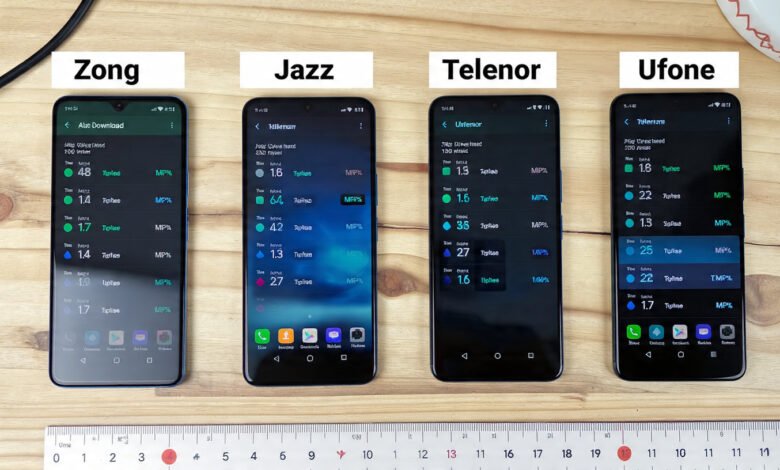
Choosing the right mobile internet provider in Pakistan can make or break your online experience. Whether you are streaming videos in Lahore, playing PUBG in Karachi, or taking Zoom calls in Islamabad, the network you pick matters. With over 123 million 3G and 4G users across Pakistan as of early 2026, the competition between Zong, Jazz, Telenor, and Ufone has never been fiercer. Each operator brings something different to the table. Zong dominates in speed. Jazz leads in coverage. Telenor wins on affordability. And Ufone has quietly improved its overall performance. But which one deserves your money? This comprehensive guide breaks down the latest data on coverage, speed, and pricing to help you make an informed decision. We will look at real performance metrics from Pakistan Telecommunication Authority (PTA) surveys, independent speed tests, and user experiences across major cities like Karachi, Lahore, Islamabad, Faisalabad, and beyond. Whether you are a gamer who needs low latency, a remote worker who relies on stable uploads, or someone in a rural area who just needs a signal that works, this comparison has you covered.
Understanding Pakistan’s Mobile Internet Landscape in 2026
The telecom sector in Pakistan has experienced rapid growth. According to recent PTA statistics, the country now has over 195 million cellular subscribers. Mobile internet penetration continues to climb as 4G networks expand into smaller cities and rural areas. The four major players—Zong, Jazz, Telenor, and Ufone—account for nearly 100% of the mobile internet market share.
Recent regulatory changes and infrastructure investments have pushed these operators to improve their services. The Pakistan Telecommunication Authority conducts regular Quality of Service (QoS) surveys to keep operators accountable. These surveys test everything from download speeds and upload speeds to network coverage and call quality across multiple cities.
What makes 2026 different? For starters, all four operators have significantly expanded their 4G footprint. 5G trials are underway, though commercial rollout remains limited. Additionally, data package prices have become more competitive, with operators offering better value for money than ever before.
Coverage Comparison: Who Has the Best Network Reach?
Network coverage remains the most important factor for many Pakistani users. After all, blazing fast speeds mean nothing if you cannot get a signal in your area.
Zong 4G Coverage
Zong has made impressive strides in coverage. According to the latest PTA QoS survey from Q3 2025, Zong led the chart in mobile network coverage across 15 cities for 4G and in 11 cities for 3G. This puts Zong first in overall coverage rankings.
Zong performs particularly well in:
- Major metropolitan areas (Karachi, Lahore, Islamabad)
- City centers and commercial districts
- Urban and semi-urban zones
However, Zong had compliance issues in three cities including Buner and Risalpur, where it failed to meet PTA’s required coverage levels. In rural areas, Zong’s performance can be inconsistent.
Jazz Network Coverage
Jazz (formerly Mobilink) continues to hold the largest market share and boasts extensive network infrastructure. Jazz met PTA’s benchmarks for 4G and fallback 3G coverage in 18 cities, putting it on par with Ufone for coverage reliability.


Jazz’s strength lies in:
- Rural and remote areas
- Consistent signal availability
- Broader geographic reach across Pakistan
For users in smaller towns or villages, Jazz often provides the most reliable connectivity. The network’s legacy infrastructure from its Mobilink days gives it an edge in areas where newer operators struggle.
Telenor Coverage Performance
Telenor faces challenges in the coverage department. According to PTA data, Telenor fell short in 13 out of 19 cities, making it the weakest performer among the four major operators in terms of meeting coverage benchmarks.
That said, user reports suggest Telenor excels in specific rural pockets where it has invested in infrastructure. If you live in an area where Telenor has strong presence, you might enjoy better service than competitors. But overall, Telenor’s coverage inconsistency makes it a risky choice for users who travel frequently.
Ufone Network Reach
Ufone surprised many observers with its strong coverage showing. The operator met PTA’s benchmarks for 4G and fallback 3G coverage in 18 cities, putting it on par with Jazz. This represents a significant improvement for Ufone, which historically lagged behind competitors.
Ufone’s parent company PTCL is planning to acquire Telenor’s operations, which could further strengthen its coverage footprint in the coming years.
Speed Test Results: Download and Upload Performance
Internet speed directly impacts your browsing, streaming, and download experience. Let’s examine how each operator performs.
Zong Download Speed
Zong consistently ranks as the fastest mobile network in Pakistan for download speeds. Recent Opensignal data shows Zong averaging 17.3 Mbps download speed, making it the clear winner in this category. During PTA’s Q2 2025 survey, Zong came first in three cities for download speed, while Jazz topped 16 cities.
In Karachi Central specifically, Jazz reached 32.52 Mbps, followed by Zong with 21.92 Mbps. These speeds are more than adequate for HD video streaming, large file downloads, and online gaming.
Zong’s speed advantages:
- Lowest latency (around 46-59 milliseconds)
- Best performance for gaming
- Consistent speeds in urban areas
- High 4G availability at 84.4%
Jazz Speed Performance
Jazz delivers solid speeds across most areas. The operator averaged download speeds close to Zong’s performance, with Jazz scoring less than 1Mbps lower than Zong in national averages. In cities like Bahawalpur and Multan, Jazz crossed 40 Mbps during testing.
For upload speeds, Jazz excels. Jazz came first in 10 cities for upload speeds, making it the best choice for remote workers, content creators, and anyone who regularly uploads files or streams video.
Jazz speed highlights:
- Excellent upload performance
- Strong speeds in tier 2 and tier 3 cities
- Reliable performance even in smaller towns
- Good consistency across different times of day
Telenor Internet Speed
Telenor trails significantly in speed metrics. Reports indicate Telenor averages around 4.8 Mbps download speed, which falls well short of competitors. In many PTA tests, Telenor and Ufone often struggled to reach 15 Mbps, and in some areas, they fell below 5 Mbps.
For basic tasks like WhatsApp messaging, web browsing, and social media, Telenor’s speeds suffice. But for video streaming or gaming, users will likely experience frustration.
Ufone Speed Results
Ufone has historically been known for slower speeds, but recent improvements are noteworthy. While still not matching Zong or Jazz, Ufone performs adequately in most scenarios. Zong came first in nine cities for upload speeds, while Telenor and Ufone generally landed in third or fourth place.
Ufone’s strength lies more in consistency and coverage rather than raw speed. For users who prioritize reliability over pure performance, Ufone offers a balanced experience.
4G Availability and Network Reliability
Having fast speeds means nothing if you cannot access 4G when you need it. 4G availability measures how often your phone actually connects to 4G networks versus falling back to slower 3G or 2G.
Zong 4G Availability
Zong performs well here with 4G availability reported at around 84.4% based on 2023-2024 data. The operator has also won awards for Consistent Quality and Reliability Experience in Opensignal reports. This means Zong users spend most of their time connected to fast 4G networks rather than slower alternatives.
Jazz 4G Coverage
Jazz leads the pack in 4G availability. Jazz successfully defends its titles for Coverage Experience and 4G Availability, with 4G availability exceeding 90% in many areas. This translates to fewer frustrating moments where your phone drops to 3G during important tasks.
Telenor and Ufone 4G Access
Both Telenor and Ufone have made progress but still lag behind Jazz and Zong in overall 4G availability. However, in areas where they have invested in 4G infrastructure, users report satisfactory experiences.
According to Pakistan Telecommunication Authority quality assessments, all four operators need to continue expanding 4G coverage, especially in rural and semi-urban areas where 3G still plays a significant role.
Internet Package Prices: Best Value for Money
Pricing often determines which network people choose. Let’s compare the mobile data packages and internet bundles offered by each operator.
Zong Internet Packages
Zong offers competitive pricing focused on data-heavy users:
- Monthly packages: Starting from PKR 150 for basic plans, going up to PKR 3,000+ for premium unlimited packages
- Weekly bundles: Popular options around PKR 150-300 with several GB of data
- Daily packages: Starting from PKR 15 for 500MB to PKR 50 for 2GB
Zong’s packages often include social media bundles (WhatsApp, Facebook, TikTok) and streaming partnerships, adding extra value for youth-oriented users.
Jazz Data Plans
Jazz provides the most comprehensive range of packages:
- Jazz Super Duper Card: PKR 600/month with 8GB data, 150 off-net minutes, and unlimited Jazz calls
- Weekly packages: Jazz Weekly Streamer and Browser packages starting around PKR 100-200
- Daily options: Multiple tiers from PKR 12 to PKR 50
Jazz packages tend to balance data, voice minutes, and SMS better than competitors, making them ideal for users who need all three services.
Telenor Package Pricing
Telenor positions itself as the budget-friendly option:
- Telenor Easy Card: PKR 600/month with 6GB data, 100 off-net minutes, unlimited Telenor calls
- Weekly bundles: Packages starting from PKR 100 with reasonable data allocations
- 4G Weekly Bundle: Around PKR 400 for 15 days
While Telenor’s speeds may be slower, the affordable packages make it attractive for price-conscious users or those with light internet usage.
Ufone Pricing Strategy
Ufone offers middle-ground pricing:
- Ufone Super Card: PKR 499/month with 5GB data, 150 off-net minutes, 1,000 Ufone minutes
- Weekly packages: Power Pack and other options around PKR 200-300
- Daily bundles: Light and Heavy bucket options from PKR 15-40
Ufone’s pricing strategy focuses on providing decent value without trying to be the absolute cheapest. The packages work well for average users who do not need extreme speeds but want reliable service.
Gaming and Streaming Performance
For gamers and video streamers, latency and consistent speeds matter more than peak download rates.
Best Network for Gaming
Zong wins here thanks to its low latency averaging 46-59 milliseconds. PUBG players, Call of Duty Mobile enthusiasts, and other mobile gamers consistently report the smoothest experience on Zong. The combination of low ping and reliable 4G availability makes Zong the go-to choice for competitive gaming.
Video Streaming Quality
For video streaming, both Jazz and Zong perform well. Jazz wins Video Experience with a score of 48.3 points, while Zong takes second place. Jazz users can stream video at 720p or better with satisfactory loading times and minimal stalling.
Zong, Ufone, and Telenor all place one category lower, meaning users may experience occasional quality drops or buffering, especially during peak hours.
Voice Call and SMS Quality
While this guide focuses on internet, voice and SMS quality still matter for most users.
Voice Service Rankings
According to PTA surveys, Jazz scored the highest in voice services, passing 94 of 95 test points. Ufone and Zong performed reasonably well with few missed targets.
Telenor struggled with voice quality in multiple areas, failing to meet voice quality standards in 13 areas, including some locations where call setup success rates dropped below the required 98% threshold.
SMS Performance
For SMS delivery, Zong leads. Zong emerged as the leader in SMS services, followed by Ufone, Telenor, and Jazz. If you rely heavily on text messages for verification codes or important communications, Zong provides the most reliable SMS experience.
Regional Performance Variations
Performance varies significantly by region. What works great in Karachi might disappoint in rural Sindh.
Major Cities (Karachi, Lahore, Islamabad)
In metropolitan areas, both Zong and Jazz deliver excellent performance. Users in these cities can expect:
- Download speeds above 30 Mbps during off-peak hours
- Strong 4G availability exceeding 85%
- Reliable connectivity across most neighborhoods
Mid-Sized Cities (Faisalabad, Multan, Peshawar)
Jazz maintains its edge in mid-sized cities thanks to extensive infrastructure. Zong follows closely with competitive speeds. Ufone has improved significantly in these markets, while Telenor remains inconsistent.
Rural and Remote Areas
For rural connectivity, Jazz and Ufone are your best bets. Their broader coverage footprint ensures you will have at least basic connectivity in villages and remote areas. Telenor works in specific pockets but cannot be relied upon for consistent rural coverage. Zong struggles the most outside urban centers.
Latency and Web Loading Performance
Latency affects how responsive internet feels, especially for real-time applications.
Latency Leaders
Jazz averaged 59.8 milliseconds, and Zong was nearly the same at 59.5 ms in PTA testing. These low latency figures ensure snappy web browsing and responsive online gaming.
Ufone and Telenor showed higher latencies, particularly during automode testing. Ufone met PTA’s latency standard in only 10 of the 19 cities.
Web Page Loading Times
For web page loading, Jazz and Ufone performed best, with speeds within acceptable limits in every city. Zong occasionally had issues in cities like Mardan and Mansehra, while Telenor showed inconsistent web loading performance.
Customer Support and Network Management Apps
Beyond pure technical performance, user experience matters.
Jazz World App
Jazz offers the most comprehensive mobile app experience. The Jazz World App includes loyalty rewards, live chat support, easy package subscriptions, and bill payment options. The interface is intuitive and regularly updated.
My Zong App
Zong’s app provides exclusive bundle deals and device management features. While functional, it lacks some of the polish of Jazz’s offering. Users appreciate the quick access to package activation codes.
Telenor and Ufone Apps
Both Telenor and Ufone offer basic apps for balance checking and package management. These get the job done but do not offer many advanced features. Customer service response times through apps vary, with Jazz generally providing the fastest support responses.
Which Network Should You Choose?
Making the right choice depends on your specific needs and location.
Choose Zong if:
- You need the fastest download speeds available
- You are a serious mobile gamer who needs low latency
- You live in a major city with strong Zong 4G coverage
- You consume lots of data streaming videos or downloading files
- You want reliable SMS delivery
Choose Jazz if:
- You need the best coverage across Pakistan
- You travel frequently between cities and rural areas
- You require strong upload speeds for work or content creation
- You want balanced packages with data, voice, and SMS
- You live in a tier 2 or tier 3 city
- You value excellent customer support
Choose Telenor if:
- Budget is your primary concern
- You have light internet usage (social media, WhatsApp, browsing)
- You live in an area where Telenor has invested in infrastructure
- You mainly use your phone for calls and texts rather than heavy data usage
Choose Ufone if:
- You want reliable coverage without paying premium prices
- You need consistent performance in mid-sized cities
- You value network consistency over peak speeds
- You are waiting to benefit from the potential Telenor acquisition
Future Outlook: What’s Coming Next?
The Pakistani telecom landscape continues to evolve rapidly. 5G technology remains in trial phases, with commercial rollout expected to begin in major cities by late 2026 or early 2027. The pending Telenor-Ufone merger could reshape the competitive dynamics, potentially creating a stronger third competitor to challenge Jazz and Zong’s dominance.
All four operators are investing in infrastructure expansion, particularly in underserved rural areas. The Pakistan Telecommunication Authority’s regular QoS surveys keep pressure on operators to improve service quality. Competition benefits consumers through better speeds, lower prices, and improved coverage.
For more detailed information about Pakistan’s telecom regulations and operator performance standards, visit the Pakistan Telecommunication Authority official website. You can also check independent speed test results on Opensignal’s Pakistan reports.
Conclusion
The Zong vs Jazz vs Telenor vs Ufone comparison reveals no single perfect choice for everyone. Zong dominates in speed and gaming performance with download speeds averaging 17.3 Mbps and excellent latency. Jazz leads in coverage and reliability with 4G availability exceeding 90% and strong performance in both urban and rural areas. Telenor offers the most affordable packages but lags in speed and coverage consistency. Ufone provides balanced middle-ground performance with improving network quality. Your decision should factor in where you live, how you use internet, and what you are willing to pay. Check PTA Quality of Service reports regularly, test networks in your specific area using apps like Speedtest, and do not hesitate to switch if your current operator fails to meet your needs. Pakistan’s competitive telecom market means you have real choices, and operators must earn your business through consistent performance and fair pricing.