Social Media is a Defective Product: Examining Platform Design, User Harm, and Legal Accountability
Social media defective product claims hit Big Tech hard in 2026. A look at addictive design, harm to teens, past violations, verdicts and settlements.
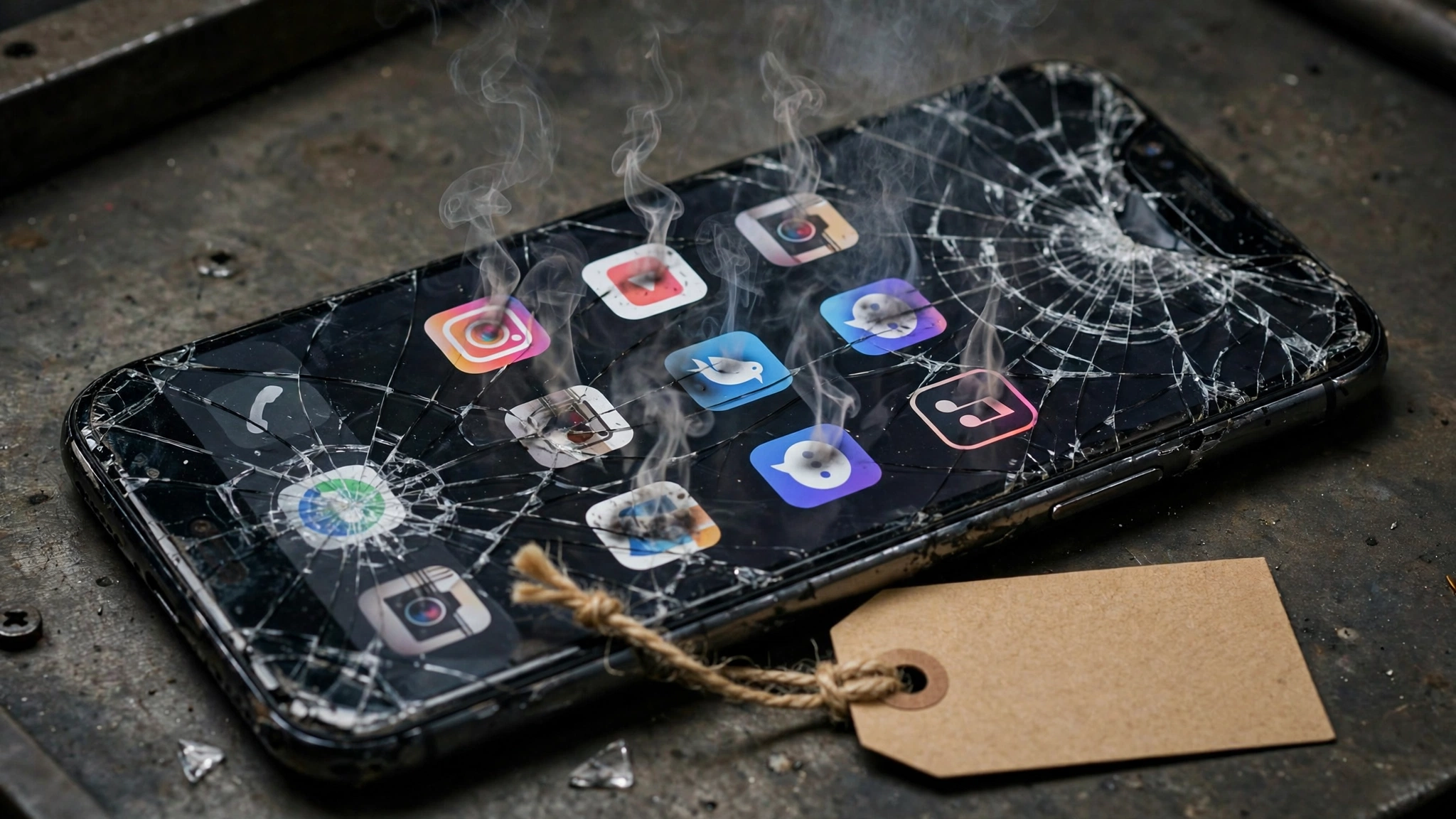
Social media defective product claims used to be treated as a legal long shot. Courts saw Instagram, YouTube, and TikTok as hosts for other people’s posts, and federal law shielded them from most lawsuits over what users saw. That view cracked in 2026. In March, a Los Angeles jury found Meta and YouTube negligent in the first social media addiction lawsuit ever to reach a verdict, awarding a 20-year-old plaintiff $6 million. A day earlier, a New Mexico jury ordered Meta to pay $375 million in civil penalties. By late August, Meta had agreed to a multistate settlement worth up to $17.1 billion, plus design changes for teen accounts.
The argument behind these cases is easy to state and hard to wave away. Plaintiffs say the harm does not come from one bad video or one cruel comment. It comes from how the apps are built: infinite scroll, autoplay, streaks, late-night notifications, and recommendation engines tuned to keep young people watching. If a car maker shipped a vehicle with a known flaw and buried its own safety research, nobody would call that free speech. That is the core of the social media defective product theory.
This article looks at how addictive platform design works, what the evidence says about user harm, which past violations show a pattern, and where legal accountability stands today. It also gives fair space to the platforms’ side, because the science and the law are both still moving.
The Social Media Defective Product Theory, Explained
Product liability law is old and fairly settled. If a company sells something that is unreasonably dangerous, and that danger injures someone, the company can be held responsible. The law does not require the company to have meant any harm. It asks whether the product was built safely and whether buyers were warned about risks the company knew about.
Lawyers usually sort these claims into three buckets:
- Design defect. The product works as intended, but the intended design itself is dangerous, and a safer design was available.
- Failure to warn. The company knew, or should have known, about a risk and did not tell users clearly.
- Manufacturing defect. One unit came off the line broken. This one rarely applies to software.
The social media defective product argument leans on the first two. Plaintiffs say features like endless feeds and autoplay are design choices, not speech. They also say platforms held internal research showing harm to teens while telling parents and Congress their apps were safe. That second point turns a design case into a deception case, which is where the biggest dollar figures have come from.
Why the label matters
Calling an app a defective product is not just a slogan. It moves the legal fight away from content, which is heavily protected, and toward engineering, which is not. A court cannot easily punish a company for hosting a user’s video. It can ask whether a company had to build a feed that never ends, or send a notification at 2 a.m. to a 13-year-old.
The idea got its first real test in Lemmon v. Snap (2021). Two young men died in a crash while using Snapchat’s “speed filter,” which rewarded users for recording how fast they were going. The Ninth Circuit ruled that the claim was about Snap’s own design, not third-party content, so the federal shield did not apply. Nearly every social media addiction lawsuit since then has borrowed that logic.
Addictive Platform Design: The Features on Trial
The same handful of features shows up in almost every complaint, in the U.S. and in Europe. None of them is illegal on its own. The claim is that together, aimed at teenagers whose impulse control is still developing, they make a social media defective product.


Infinite scroll and autoplay
Older websites had pages. You reached the bottom and decided whether to click “next.” Infinite scroll removed that pause, and autoplay removed the next one by starting a new video before you choose. Both strip out natural stopping points. In February 2026, the European Commission’s preliminary findings against TikTok said that by constantly feeding users new content, these features push people toward a kind of autopilot scrolling, and that TikTok’s screen time tools did not do enough to offset the risk.
Algorithmic recommendations
Algorithmic recommendations decide what you see next based on what held your attention before. For an adult, that can mean more cooking videos. For a teenager who lingers on a diet clip, plaintiffs argue it can mean a steady stream of extreme dieting content within days. Lawyers call this the rabbit hole effect, and it sits at the center of the design defect argument because the company, not the user, chooses the sequence.
Notifications, streaks, and variable rewards
Push notifications pull users back. Snapchat streaks punish a missed day. Likes arrive unpredictably, which is the same reward pattern that makes slot machines hard to walk away from. The K.G.M. jury heard evidence on several of these features, and the 2026 state settlement with Meta now limits school-hour and overnight notifications for minors.
Beauty filters and public like counts
Filters that slim faces and smooth skin became a flashpoint after internal Meta research leaked in 2021. Public like counts turn every post into a scoreboard. Both are linked in lawsuits to body image problems among teen girls.
Weak age checks and parental controls
Most platforms set 13 as the minimum age but relied for years on users typing in a birthday. Plaintiffs say the companies knew millions of younger children were on their apps and built nothing serious to stop it. Parental controls existed, but often only if a teen agreed to turn them on.
Put together, these features explain why critics say addictive platform design is the product, not a side effect of it.
Documented User Harm: What the Evidence Shows
Courts do not award damages for a theory. They need injuries. Here is where the record on user harm is strongest, and where it is thinner than critics sometimes admit.
Teen mental health and sleep
In 2023, the U.S. Surgeon General issued a public health advisory on social media and youth mental health. It noted that up to 95% of teens aged 13 to 17 use social media and that teens spending more than three hours a day on it face roughly double the risk of depression and anxiety symptoms. The advisory was careful to say the evidence was not complete. But it said there was enough concern to act, and a year later the same office called for warning labels on the apps.
Sleep is the quieter story. Late-night scrolling and notifications cut into rest, and poor sleep in teenagers is tied to worse mood, attention, and school performance. This is one reason overnight limits featured so heavily in the 2026 settlement terms.
Body image and eating disorders
In 2021, former Facebook product manager Frances Haugen shared internal research with Congress and the press. One internal slide found that about a third of teen girls who already felt bad about their bodies said Instagram made them feel worse. Meta argued the research was misread. Juries and attorneys general found it persuasive anyway, largely because the company had not shared it publicly while calling its apps safe for teens. That gap is the heart of the failure to warn claim.
Sexual exploitation and sextortion
This is where design flaws become criminal harms. The FBI has warned of a sharp rise in financial sextortion, where predators pose as teens, obtain explicit images, and demand money. The bureau reported more than 13,000 such cases involving minors between October 2021 and March 2023, and linked at least 20 suicides to them. Plaintiffs point out that features like friend suggestions and open direct messages made it easy for adults to find and contact children. The New Mexico case against Meta was built in part on undercover accounts posing as children, which the state said were quickly flooded with sexual content and approaches from adults.
Dangerous viral challenges
In 2021, 10-year-old Nylah Anderson died after attempting the “blackout challenge,” which her mother says TikTok’s For You feed served to her. In 2024 the Third Circuit allowed the family’s lawsuit to proceed, reasoning that TikTok’s algorithm choosing the video was the company’s own conduct. In the UK, a 2022 coroner’s inquest into 14-year-old Molly Russell concluded that harmful online content she was shown had contributed to her death.
What the evidence does not prove
The honest picture is mixed. Many large studies find only small average links between screen time and teen mental health, and some teens clearly benefit from online communities. The strongest evidence is not that social media harms every child. It is that specific features raise risk for vulnerable kids, and that companies knew more about this than they said.
A Track Record of Illegal Conduct: Past Violations and Penalties
The 2026 cases did not come out of nowhere. Regulators have caught major platforms breaking the law many times, often in ways tied to children and to misleading users. This history matters because juries and judges look for patterns when deciding whether a company acted carelessly or knowingly. Here are the cases most often cited.
- Facebook and Cambridge Analytica (2018). Data from up to 87 million users was harvested through a quiz app and used for political targeting. Facebook was already under a 2012 FTC order that required it to respect users’ privacy choices.
- The $5 billion FTC penalty (2019). The FTC found Facebook had violated that 2012 order by deceiving users about who could see their data. The $5 billion penalty against Facebook was the largest privacy fine in the agency’s history at the time. The SEC added $100 million for misleading investors about data misuse. Two FTC commissioners dissented, arguing the deal left the business model untouched.
- Musical.ly, now TikTok (2019). The app paid $5.7 million to settle FTC charges that it collected personal data from children under 13 without parental consent, a violation of COPPA, the Children’s Online Privacy Protection Act.
- Google and YouTube (2019). YouTube paid $170 million to the FTC and New York’s attorney general for collecting data from kids watching child-directed channels and using it to sell targeted ads.
- Instagram in Ireland (2022). Ireland’s Data Protection Commission fined Instagram €405 million for letting teen business accounts display their phone numbers and email addresses publicly.
- Epic Games (2022). Not a social network, but a key precedent. Fortnite’s maker paid $520 million over COPPA violations and “dark patterns” that tricked players, many of them kids, into unwanted purchases. It showed that manipulative design itself can be unlawful.
- TikTok in Ireland (2023). Regulators fined TikTok €345 million for setting children’s accounts to public by default, among other failures.
- The DOJ’s TikTok lawsuit (2024). The Justice Department sued TikTok and ByteDance, alleging they kept collecting children’s data in breach of the 2019 consent order.
Why the pattern matters
Each of these was resolved as a privacy or consumer protection case, and each ended with a fine the companies could absorb. Critics say that is the problem. A penalty that costs less than the profit from the conduct becomes a business expense. The shift to product liability and deceptive-safety claims is partly a response to that. It puts design, not just data handling, on the table, and it lets individual families and whole states seek much larger sums.
Legal Accountability in 2026: Section 230 Meets the Courtroom
For most of the internet’s history, one law decided these fights before they began. Understanding it explains why 2026 felt like such a break.
What Section 230 protects
Section 230 of the Communications Decency Act, passed in 1996, says online services are not treated as the publisher of content their users post. It is why you cannot sue YouTube over a defamatory comment someone else left. Platforms long argued that every claim about their feeds was really a claim about content, so the whole category should be thrown out.
How courts carved out design claims
After Lemmon v. Snap, courts began separating what users post from how the company builds its product. In 2023, Judge Yvonne Gonzalez Rogers, who oversees the federal multidistrict litigation in Oakland (known as MDL 3047), allowed many design defect claims to go forward. She ruled that some features tied closely to publishing were protected, but that others, such as weak age checks, poor parental controls, and the timing of notifications, were the company’s own choices. In 2024, the Third Circuit went further in the Nylah Anderson case, treating TikTok’s algorithmic picks as the company’s own expression rather than neutral hosting.
The K.G.M. verdict
The first social media addiction lawsuit to reach a jury was brought by a 20-year-old woman identified as K.G.M. She said she started using YouTube and Instagram as a child and developed depression, anxiety, and body dysmorphia. Snap and TikTok settled before trial. Mark Zuckerberg testified in front of a jury for the first time.
On March 25, 2026, the jury found Meta and YouTube negligent and found they failed to warn users. As CNBC reported, Google responded that YouTube is a streaming platform and not a social media site, and said it would appeal. The jury awarded $3 million in compensatory damages and another $3 million in punitive damages, with 70% of the fault assigned to Meta and 30% to YouTube. In June, the trial judge denied both companies’ requests for a new trial.
The dollar figure is small for companies this size. The precedent is not. A jury accepted that an app’s design can be a cause of personal injury.
New Mexico’s $375 million penalty
One day before the Los Angeles verdict, a jury in Santa Fe ordered Meta to pay $375 million in civil penalties under New Mexico’s consumer protection law. The state argued Meta misled the public about child safety and failed to protect minors from sexual exploitation. Meta said it would appeal.
Settlements: school districts and the states
The first federal bellwether, brought by Breathitt County School District in Kentucky, never reached a jury. Meta, Snap, TikTok, and YouTube settled in May 2026 for a reported combined total of about $27 million.
The biggest result came in August. Mid-trial in Oakland, Meta reached a deal with a bipartisan group of 51 attorneys general. According to the New York Attorney General’s announcement, the Meta settlement is worth up to $17.1 billion over time, subject to court approval. Part of that amount only becomes due if rival platforms accept similar obligations. Texas settled separately for $1 billion. The deal includes:
- Default daily time limits and overnight restrictions for minors
- Limits on notifications during school hours
- Stronger age checks and parental controls
- An independent auditor with broad access to company information
- A court order barring further misleading statements about safety features
Meta denied wrongdoing, and the settlement is not an admission of liability. Still, NPR noted that state officials hope it becomes a turning point for youth online safety. Individual and school district cases continue, with more school district trials reported for early 2027.
Big Tech Regulation Beyond the Courtroom
Lawsuits look backward and ask who pays for harm already done. Regulators look forward and try to change the product before more harm happens. Several governments are now treating addictive platform design as something to regulate directly.
The European Union’s Digital Services Act
The Digital Services Act requires very large platforms to assess and reduce the risks their services create. The European Commission preliminarily found TikTok in breach for addictive design in February 2026 and reached a similar preliminary finding against Instagram and Facebook in July 2026. The Commission has suggested changes such as switching off infinite scroll and autoplay by default, adding real screen time breaks, and making recommendations less focused on engagement. TikTok called the findings false and meritless. If confirmed, fines can reach 6% of a company’s worldwide annual turnover.
The United Kingdom’s Online Safety Act
The UK’s child safety duties took effect in July 2025. Platforms must assess risks to children, use effective age checks for the most harmful content, and adjust their recommendation systems so kids are not steered toward self-harm, suicide, or eating disorder material. The regulator, Ofcom, can fine companies up to £18 million or 10% of global revenue, whichever is higher.
Australia’s under-16 ban
Australia went furthest. Since December 10, 2025, major platforms must take reasonable steps to keep children under 16 from holding accounts, with fines of up to A$49.5 million for systemic failures. Supporters see it as a reset. Critics worry it pushes kids to less safe corners of the internet and forces adults to hand over identity data.
U.S. states
With no comprehensive federal law, U.S. states have filled the gap. New York’s SAFE for Kids Act targets algorithmic feeds for minors, and states such as Utah, Florida, and others have passed age and parental consent rules. Many of these laws face First Amendment challenges, which is one reason the product liability route has drawn so much attention.
The Case Against the Social Media Defective Product Label
A fair look at this issue has to take the other side seriously. Platforms, free speech groups, and a number of researchers push back on the social media defective product framing for real reasons, not just legal tactics.
- Causation is hard to prove. Teen depression has many drivers, including family stress, school pressure, poverty, and genetics. Meta told reporters after the K.G.M. verdict that teen mental health is too complex to pin on one app. Courts will keep wrestling with how to separate the app’s role from everything else.
- The research is mixed. Some large studies find small average effects. Others find larger risks for specific groups, such as girls who use the apps heavily. Scientists still disagree about how much of the youth mental health decline is linked to phones.
- Design and speech overlap. A feed is a set of editorial choices about what to show. Groups focused on free expression warn that labeling recommendations a defect could push platforms to remove lawful content or limit what young people can find.
- Social media helps some kids. LGBTQ teens, kids with rare illnesses, and young people in isolated places often find support online that they cannot find at home.
- Age checks have costs. Stricter age verification usually means collecting IDs or face scans, which creates new privacy and security risks for everyone.
- Parents have a role. Some argue families, not courts, should decide how much screen time is too much.
None of these points erase the evidence that companies knew about risks and played them down. But they explain why many judges have narrowed claims rather than accepting them whole, and why appeals in the K.G.M. and New Mexico cases will be closely watched.
What Real Accountability Could Look Like
If the social media defective product theory keeps winning, the most useful outcome is not a bigger fine. It is a safer default. Other industries offer a model. Car makers must crash test. Drug makers must disclose side effects. Toy makers recall products with choking hazards. Applied to apps, that could mean:
- Safety by default for minors. Autoplay and infinite scroll off, overnight quiet hours on, and private accounts as the starting point.
- Independent audits. Outside reviewers with access to internal data, like the auditor required under the Meta settlement, checking whether safety tools actually work.
- Honest disclosure. If a company studies harm to teens, regulators and parents should see the findings, not just the press release.
- Duty of care laws. A clear legal duty to design with children’s wellbeing in mind, rather than relying on case-by-case lawsuits.
- Penalties tied to revenue. Fines measured as a share of global turnover, as in the EU and UK, so breaking the law is not cheaper than following it.
Practical steps for parents and users right now
Court cases take years. Families can act today:
- Turn on built-in teen account settings and parental controls, and check them together with your child.
- Switch off notifications at night and keep phones out of bedrooms when possible.
- Turn off autoplay where the app allows it.
- Talk openly about sextortion. Make sure kids know they can come to you without being punished, and that the FBI and the National Center for Missing and Exploited Children’s Take It Down service can help remove images.
- Watch for changes in sleep, mood, eating, or school performance, and talk to a doctor if you see them.
None of this puts the burden where it belongs. But it lowers risk while the legal accountability process plays out.
Conclusion
The social media defective product argument has moved from a fringe legal idea to a theory that juries, judges, and 51 attorneys general have taken seriously. The path there was built on product liability basics, a record of past privacy and children’s data violations that ended in fines the companies could absorb, internal research that showed known risks to teens, and court rulings that separated a platform’s own design from the content its users post. In 2026 that produced a $6 million jury verdict against Meta and YouTube, a $375 million penalty in New Mexico, a school district settlement, and a Meta settlement worth up to $17.1 billion with real design changes attached, while regulators in the EU, UK, and Australia are attacking addictive design directly. The science is still not settled, the speech questions are real, and appeals are pending, but the central shift is clear: tech companies are now being asked to answer for how their products are built, not just for what appears on them.