MATA Fraud in Pakistan: 7 Alarming Warning Signs and Proven Ways to Stay Safe in 2026
MATA fraud is spreading fast across Pakistan through fake calls, apps, and messages. Here is what it means and how to protect your money.
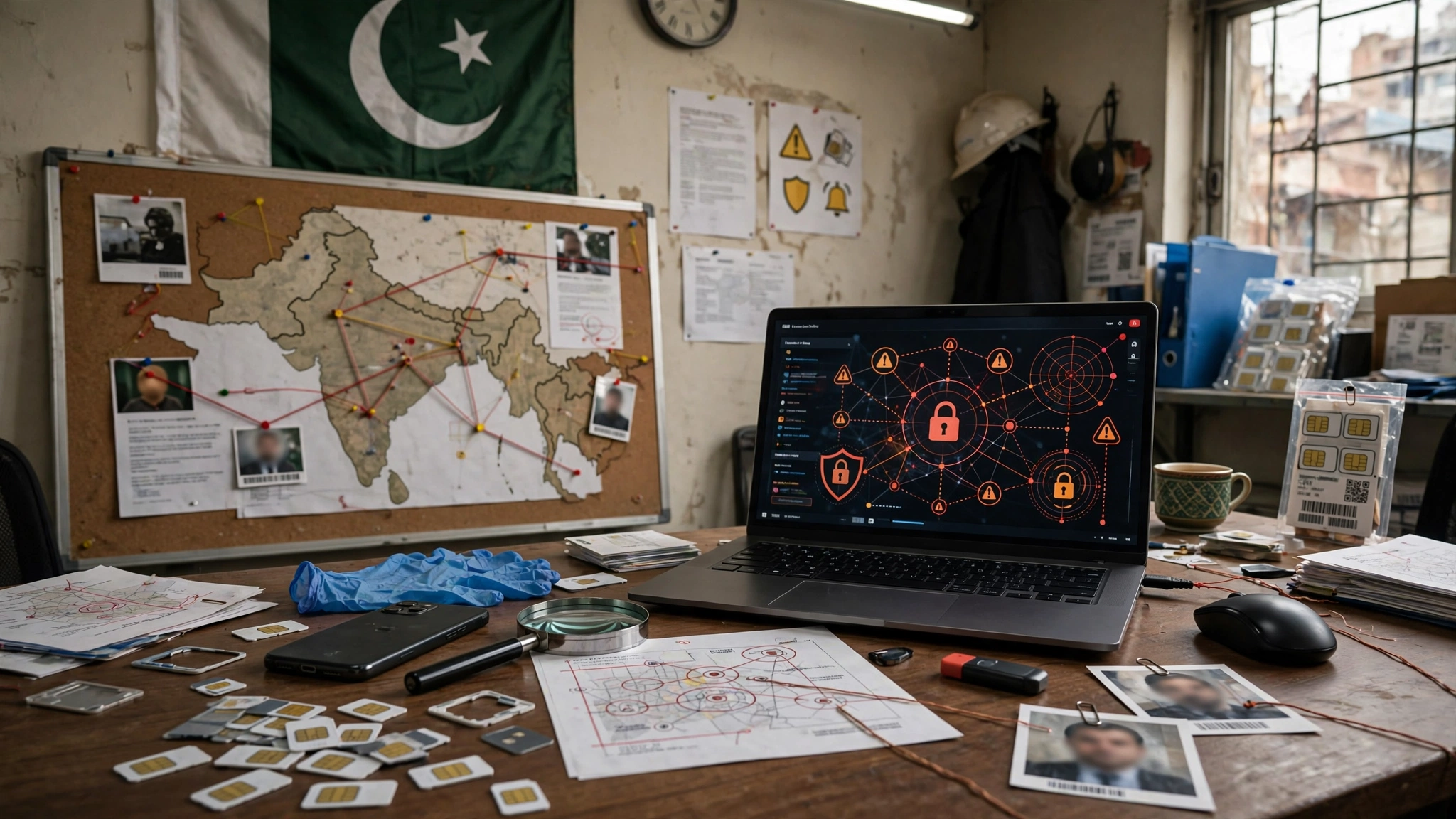
MATA fraud is one of the newer terms making the rounds in Pakistan’s growing list of digital scams, and if you have not heard of it yet, you probably will soon. At its core, MATA fraud refers to a pattern of mobile account takeover attacks, where criminals gain control of a person’s mobile number, SIM card, or mobile banking app to steal money, data, or identity. It usually starts small, a missed call, a strange text, a “customer service” agent asking to verify your details, and ends with an empty bank account or a hijacked WhatsApp profile used to scam your friends and family. Pakistan has seen a sharp rise in mobile-based financial crime over the past few years, driven by the boom in mobile wallets like JazzCash and Easypaisa, wider smartphone adoption, and criminal networks that have gotten far more organized. This article breaks down what MATA fraud actually looks like, why it is spreading so quickly in Pakistan, the warning signs you should never ignore, and the practical steps you can take today to keep your accounts, your number, and your money safe. Whether you are a salaried professional, a small business owner, or someone who just uses mobile banking occasionally, understanding this threat is the first real line of defense.
What Is MATA Fraud in Pakistan?
MATA fraud stands for Mobile Account Takeover fraud, a category of cybercrime where scammers seize control of a victim’s mobile number or linked financial accounts without ever needing physical access to the phone. Unlike a simple phishing email, MATA fraud usually combines several tactics at once: social engineering, SIM cloning or swapping, fake customer support calls, and malicious apps.
In Pakistan, this typically plays out through:
- Fraudulent calls pretending to be from a bank, telecom operator, or State Bank of Pakistan
- Fake SMS messages claiming your SIM will be blocked unless you “verify” your CNIC
- Malicious links that install spyware disguised as a banking or lottery app
- Coordinated attacks where a criminal convinces a mobile network representative to issue a duplicate SIM
Once attackers control your number, they can intercept One-Time Passwords (OTPs), reset your mobile banking app, and drain your wallet before you even realize your phone has lost signal.
How Does MATA Fraud Work?
Understanding the mechanics of MATA fraud helps explain why it is so effective, even against people who consider themselves careful.
Step 1: Information Gathering
Fraudsters often begin by collecting personal details through data leaks, social media profiles, or previous smaller scams. Your name, CNIC number, date of birth, and mobile number are usually enough to get started.
Step 2: The SIM Swap or Cloning
Using forged documents or a bribed insider at a telecom outlet, the criminal requests a duplicate SIM for your number. In some cases, they use technical tools to clone the SIM without ever visiting a franchise.
Step 3: Account Access
With your number now active on their device, they trigger a password reset on your mobile banking app, email, or WhatsApp. The OTP goes straight to them, not you.
Step 4: The Payout
Money is transferred out through instant transfers, mobile wallets, or by using your hijacked WhatsApp to ask your contacts for “emergency” loans.


This entire process can happen in under an hour, which is what makes MATA fraud in Pakistan particularly dangerous compared to older, slower scam methods.
Why Is MATA Fraud Rising in Pakistan?
Several factors have made Pakistan a fertile ground for this kind of digital crime:
- Rapid mobile banking adoption – Millions of new users have joined mobile wallets and digital banking apps in recent years, often without strong cybersecurity awareness.
- Weak verification at telecom outlets – Reports of duplicate SIMs being issued on forged or borrowed CNICs have surfaced repeatedly across the country.
- Data leaks and dark web trading – Personal data from earlier breaches continues to circulate, giving scammers a ready-made profile of potential targets.
- Low reporting rates – Many victims feel embarrassed or assume nothing can be done, so cases go unreported and criminal networks keep operating.
- Organized scam call centers – Law enforcement raids have repeatedly uncovered call centers running large-scale investment and account takeover operations, sometimes involving foreign nationals working alongside local recruiters.
Common Tactics Used in MATA Fraud Scams
Recognizing the tactics is often the fastest way to avoid becoming a victim. Watch for these red flags:
- Urgent SIM block warnings – “Your SIM will be blocked in 2 hours unless you share your CNIC and OTP.”
- Fake bank security calls – Someone claiming to be from your bank’s fraud department asking you to “confirm” your PIN or OTP.
- Prize and lottery messages – Congratulating you on winning a prize you never entered, then asking for a small “processing fee” or personal verification.
- WhatsApp account recovery scam – A message pretending to be a friend saying they accidentally sent their verification code to your number and asking you to forward it.
- Job offer scams – Fake recruiters asking for an advance fee or account details to “process your salary.”
- Investment and Ponzi pitches – Promises of unrealistically high returns pushed through social media ads and cold calls, a pattern investigators have repeatedly flagged in fraudulent call center operations across the country.
How to Identify a MATA Fraud Attempt
Signs on Your Phone
- Sudden loss of mobile signal with no explanation
- Unexpected “SIM registered on new device” notifications from your telecom provider
- Login alerts for accounts you did not access
- Your WhatsApp logging you out without warning
Signs in Communication
- Poor grammar or urgent, threatening language
- Requests for OTPs, passwords, or CNIC details over the phone
- Callers who refuse to let you call back on an official number
- Pressure to act “right now” before you can think it through
If you notice two or more of these signs together, treat it as an active MATA fraud attempt rather than a coincidence.
Step-by-Step Guide: How to Stay Safe from MATA Fraud
Protecting yourself does not require technical expertise, just consistent habits. Here is a practical checklist:
- Never share OTPs or PINs with anyone, including people claiming to be bank or telecom staff. Legitimate institutions never ask for this information over a call.
- Enable two-factor authentication on your banking apps, email, and WhatsApp, ideally using an authenticator app rather than SMS alone.
- Set a SIM PIN and lock your SIM card so it cannot be used in another device without the code.
- Monitor your signal. If your phone suddenly loses network for no clear reason, contact your telecom provider immediately, this can be the first sign of a SIM swap in progress.
- Verify before you trust. If someone calls claiming to be from your bank, hang up and call the number printed on the back of your card or the official website.
- Avoid clicking unknown links in SMS or WhatsApp messages, even if they appear to come from a known contact.
- Check your CNIC-linked SIMs regularly through your mobile operator’s self-service portal to ensure no unauthorized numbers are registered under your name.
- Use strong, unique passwords for financial apps and change them periodically.
- Report suspicious activity immediately to your bank’s fraud helpline and to the relevant cybercrime authorities.
- Educate your family, particularly older relatives, who are often specifically targeted because they are less familiar with digital scam patterns.
What to Do If You Become a Victim of MATA Fraud
If you suspect your account has already been compromised, speed matters more than anything else:
- Contact your bank immediately to freeze the account and reverse any pending transactions where possible.
- Call your telecom provider’s helpline to report an unauthorized SIM swap and request an immediate block.
- Change all linked passwords from a separate, secure device.
- File a complaint with law enforcement. Pakistan’s Federal Investigation Agency Cyber Crime Wing handles digital fraud complaints and can trace fraudulent transactions and SIM registrations.
- Alert your contacts if your WhatsApp or social media was compromised, so they do not fall for follow-up scams sent from your hijacked account.
- Keep records of every call, message, and transaction as evidence for your complaint.
The Role of Banks, PTA, and FIA in Fighting MATA Fraud
Pakistani institutions have steadily strengthened their response to mobile-based financial crime. The State Bank of Pakistan requires regulated banks to maintain fraud monitoring systems and consumer protection frameworks, and complaints about unauthorized transactions can be escalated through the State Bank of Pakistan’s banking conduct and consumer protection channels when a bank fails to resolve them directly. The Pakistan Telecommunication Authority has also pushed operators to tighten SIM issuance verification, though enforcement varies across franchises. Meanwhile, the FIA’s cybercrime wing continues to run operations against call centers and organized fraud networks, several of which have resulted in large-scale arrests in recent years. Still, prevention at the individual level remains the most reliable defense, since recovering stolen funds after the fact is often slow and not guaranteed.
Conclusion
MATA fraud in Pakistan represents a fast-moving and increasingly organized threat that combines old-fashioned social engineering with modern mobile technology, turning a simple phone number into a gateway for financial theft. By understanding how these scams operate, from SIM swaps and fake bank calls to WhatsApp hijacking, and by adopting simple protective habits like enabling two-factor authentication, setting a SIM PIN, never sharing OTPs, and verifying suspicious calls independently, you can significantly reduce your risk. Awareness, quick reporting, and a healthy dose of skepticism toward urgent, unsolicited requests remain your strongest tools against this evolving form of digital crime in Pakistan.