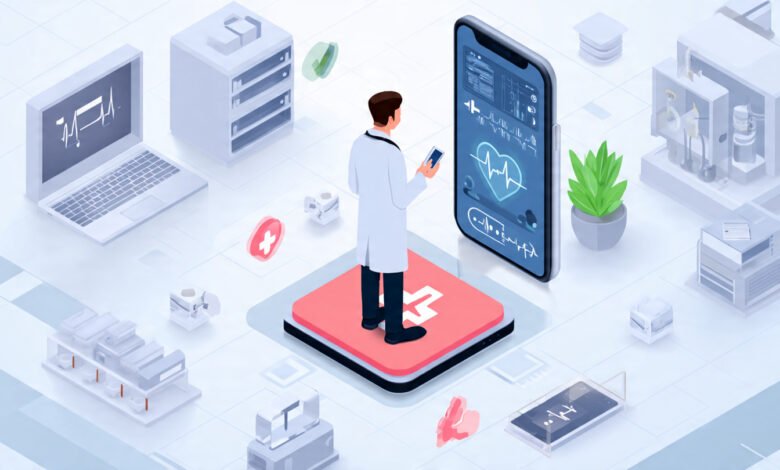
The integration of the Internet of Things (IoT) into healthcare software development has opened new horizons for patient care, operational efficiency, and data-driven decision making. By embedding smart sensors and connected devices into clinical workflows, organizations can monitor health trends in real time, reduce hospital readmissions, and personalize treatment pathways. The convergence of cloud computing, mobile platforms, and IoT architecture is transforming traditional healthcare delivery into an agile, proactive system that emphasizes prevention and continuous oversight.
Key Benefits of IoT in Healthcare Software
IoT platforms enable real-time data collection from wearable devices, enabling clinicians to track vital signs and detect anomalies before they escalate. This continuous stream of patient metrics supports more accurate diagnoses and adaptive treatment plans by leveraging predictive analytics and machine learning models. Furthermore, networked devices streamline communication between care teams, reducing response times and improving overall workflow efficiency.
For organizations seeking to enhance patient engagement and drive digital transformation, consider the Healthcare Software Development services offered at itcraftapps.com/healthcare. This solution encompasses custom application design, secure data storage, and scalable integration capabilities to support the evolving needs of modern clinics and hospitals.
Challenges in Developing IoT Healthcare Applications
Despite its advantages, implementing IoT in healthcare presents a host of technical and operational obstacles. Ensuring interoperability among diverse devices and platforms requires adherence to multiple industry standards, such as HL7 and FHIR. Integrating legacy systems with new IoT frameworks can be complex, often demanding extensive middleware development and rigorous testing procedures.
Common challenges include:
- Device interoperability across multiple vendors and protocols
- Robust data security to protect sensitive health records
- Scalability of networks to handle large volumes of sensor data
- Regulatory compliance with HIPAA and GDPR guidelines
- Battery life and power management for remote monitoring units
Remote Patient Monitoring: Technologies and Trends
Remote patient monitoring (RPM) leverages IoT sensors, mobile connectivity, and cloud analytics to track chronic conditions such as diabetes, hypertension, and respiratory illnesses. By equipping patients with wearable patches, smart inhalers, and glucometers, healthcare providers receive continuous updates on individual health metrics. This model reduces the need for in-person visits while maintaining a constant link between patients and care teams.
Emerging trends in RPM include edge computing to process data locally and minimize latency, as well as the integration of AI-driven diagnostics that can flag early warning signs. Telehealth platforms complement these solutions by offering video consultations, digital prescriptions, and virtual triage services, forming a comprehensive ecosystem focused on proactive care management.
Security and Privacy Considerations in IoT Healthcare
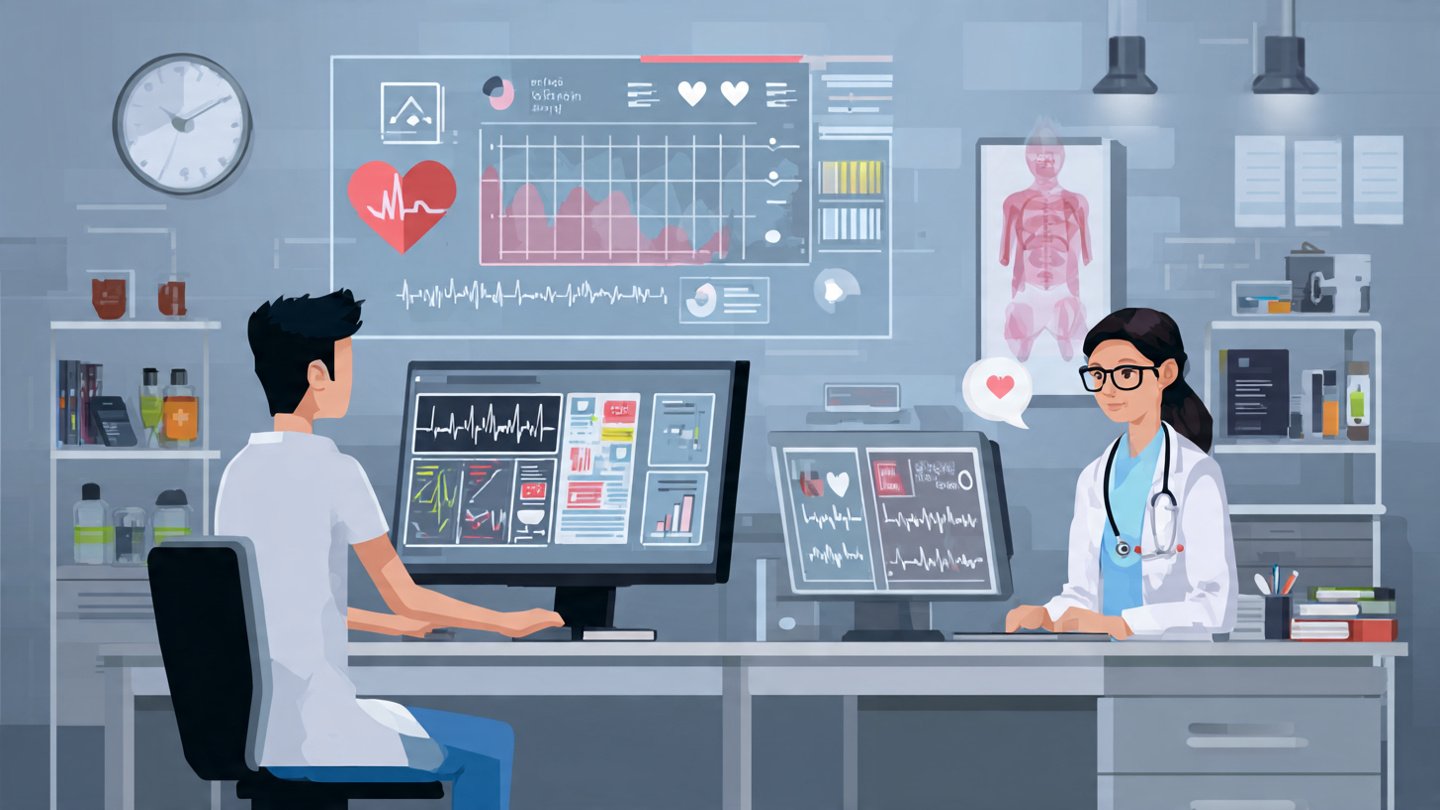
Protecting patient data within IoT environments is paramount. End-to-end encryption, multi-factor authentication, and secure firmware updates are essential components of a robust cybersecurity posture. Network segmentation isolates medical devices from broader enterprise systems to limit exposure in the event of a breach, while continuous vulnerability assessments help identify and remediate weaknesses.

Privacy frameworks must align with international and local regulations, mandating strict access controls and audit trails for all health data transactions. Organizations should implement role-based permissions and anonymization techniques to ensure that sensitive information is accessible only to authorized personnel, thereby minimizing the risk of unauthorized disclosures.
Case Studies: Successful IoT Implementations in Healthcare
A large urban hospital deployed a network of smart infusion pumps connected to its electronic health record (EHR) system, which resulted in a 30% reduction in medication errors over six months. Integration of alarm management software provided real-time alerts to nursing staff, optimizing patient safety and reducing response times.
In a rural telemedicine pilot, wearable ECG monitors transmitted cardiac data directly to a centralized monitoring center. Patients experienced fewer hospitalizations for arrhythmias thanks to early detection algorithms. This scalable solution demonstrated how IoT can bridge gaps in healthcare access and deliver specialized care to remote populations.
Future Directions for IoT in Healthcare Software Development
Looking forward, the convergence of 5G networks and IoT will enable ultra-low-latency applications, such as remote robotic surgeries and immersive telepresence consultations. Smart hospitals will use connected asset tracking to optimize equipment utilization, while digital twins of patient anatomy could simulate treatment outcomes before actual procedures.
Advances in nanotechnology and implantable sensors promise to expand monitoring capabilities to the molecular level, facilitating early disease detection and personalized therapy adjustments. As IoT ecosystems mature, a collaborative approach between healthcare providers, technology vendors, and regulatory bodies will be essential to unlock the full potential of connected medicine.